Join the community.
Our Blogs
Healing Is Never One-Size-Fits-All
Somewhere along the way, wellness became a protocol. A morning routine. A supplement stack. A list of things you do in a specific order that worked for someone online and might work for you too.
There's nothing wrong with learning from other people's experiences. But there's a quiet harm in the idea that one approach — one herb, one practice, one program — can work the same way for every body. Because it can't. And believing that it should can leave women feeling like they're failing at their own healing.
They're not. The protocol is just the wrong shape for them.
Every Woman Has a Different Story
This is not a platitude. It's a clinical reality.
Two women can arrive at the same moment in their health with completely different histories behind them — different hormonal patterns, different nervous system states, different ways their bodies have learned to hold and release stress, different relationships to their own physical experience. Those differences matter. They shape what the body needs. They shape which plants will help and which won't. They shape the pace at which healing can move.
A one-size-fits-all approach doesn't account for any of that. It treats the condition as the whole story when the condition is only the surface.
The Body Moves Through Seasons
One of the most freeing ideas in holistic wellness is that the goal was never to get back to where you were. The body moves through seasons — through different hormonal phases, different life stages, different chapters of stress and rest and change. What supported you at twenty may not be what supports you at forty. What you needed before pregnancy is not what you need after. What helps during perimenopause is different from what helped before it began.
Healing, then, isn't a return to a previous state. It's a return to balance within the season you're actually in. That's a different destination — and it requires a different map for every woman who's looking for it.
What Personalized Care Actually Looks Like
Personalized care doesn't mean complicated care. It means care that begins with listening — to what the body is doing, what it's asking for, what it's been carrying, and what it needs right now, in this season, for this person.
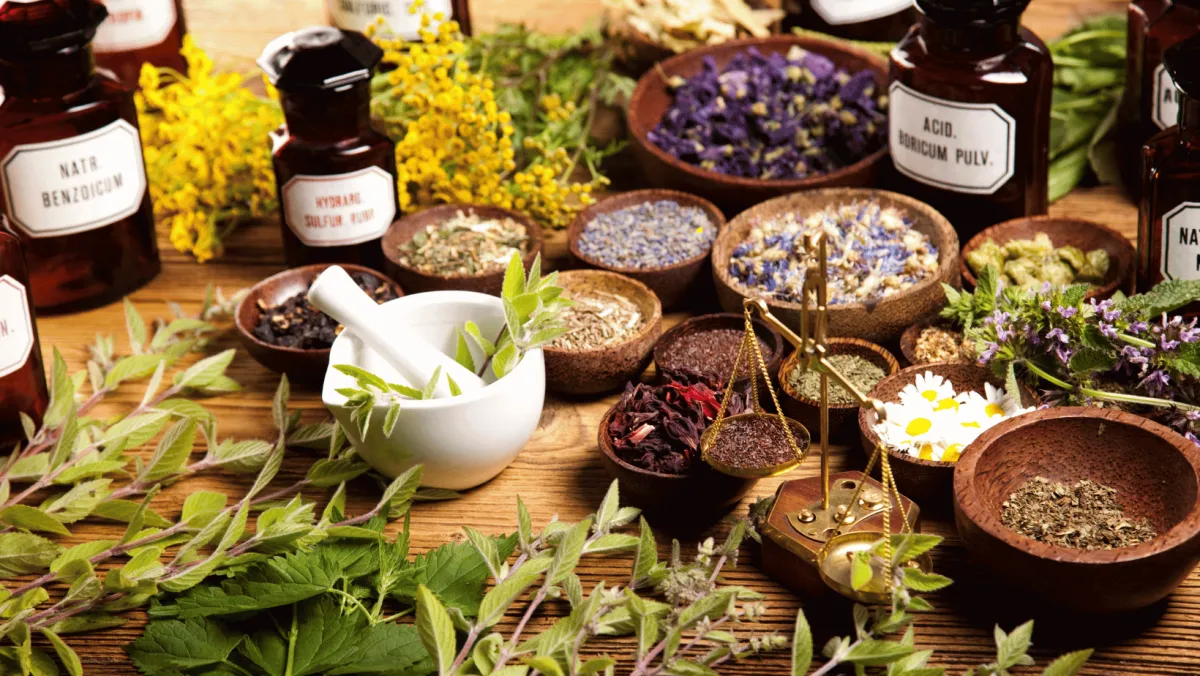
In herbal medicine, that looks like a conversation before a recommendation. It looks like choosing plants based on an individual's pattern rather than their diagnosis. It looks like adjusting support as the body changes — because a protocol that made sense three months ago may need to shift as the body responds and moves.
In any form of holistic wellness, it looks like a practitioner who sees you as a whole person rather than a set of symptoms to be resolved.
Why This Matters in the RGV
For many women in the Rio Grande Valley, the wellness spaces they've encountered — when they've encountered them at all — haven't always felt like they were built with them in mind. The language, the cultural frame, the assumptions embedded in the approach have sometimes created distance rather than access.
Rootlight Collective exists to change that. The practitioners in this community are not delivering generic wellness to a generic audience. They are RGV women serving RGV women — with deep roots in the cultural, ancestral, and community context of this region. The care they offer is personalized not just in method but in understanding.
Because healing that doesn't account for who you are and where you come from is not truly personalized. And every woman deserves care that actually fits.


© Copyright 2026. Rootlight Collective. All Rights Reserved.